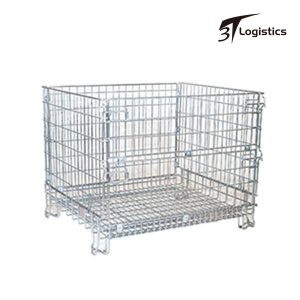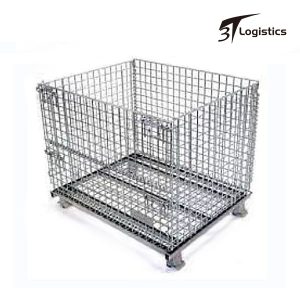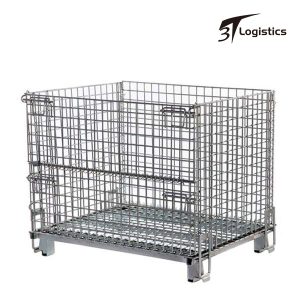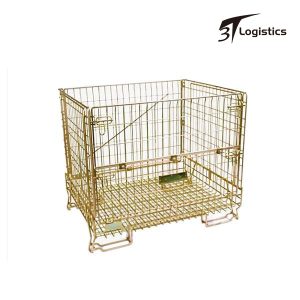
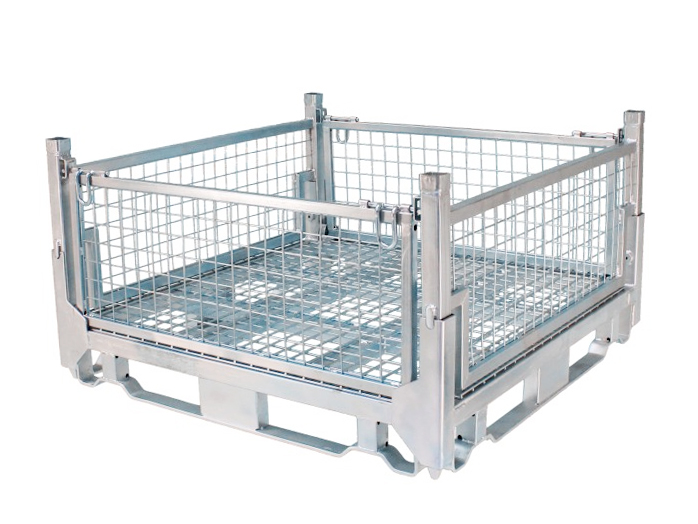
With global supply chain costs continuing to bite, more and more manufacturing, logistics, and warehousing firms are turning their attention toward used or refurbished cage pallets. I was chatting with a few friends in the logistics circle recently, and the consensus is clear: everyone is tightening their belts this year.
To help navigate this, we’ve put together a checklist of the five core factors you absolutely cannot ignore when sourcing second-hand equipment.
1. Structural Integrity and Load Capacity
When you’re buying used, the first thing to look at isn’t the paint job—it’s the “skeleton.” A cage pallet is only as good as its ability to hold weight, so you need to do a deep dive into the main frame, the base, and the vertical posts.
I’d suggest keeping a sharp eye out for any visible warping, hairline cracks, or heavy wear on the welds. Some refurbished units look great on the surface, but they might just be a “patch-and-paint” job where structural damage was lazily welded over. More importantly, you need to confirm if a refurbished cage can still hit its original Safe Working Load (SWL). Make sure the load standards are baked into your contract, and if you want to play it safe, ask the supplier for refurbishment records to see exactly where they’ve reinforced the structure.
2. Stability of Stacking Feet and Bases
One of the biggest perks of cage pallets is their ability to stack and save floor space. But that safety hinges entirely on the stacking feet at the four corners and the top stacking sockets. These are the high-traffic areas that take a beating during daily forklift operations.
If those feet are worn down or uneven, you’re looking at a serious tilt once you go two layers high, which is a major fall risk. This is especially true for high-bay racking, where even a tiny misalignment can stop a cage from seating properly. My advice? Do a “test stack” on-site. Stack two units and see if they sit flush and steady. Check for forklift impact damage on the feet—don’t let a small dent turn into a big headache in your automated warehouse.
3. Surface Treatment and Cleanliness
On used gear, the finish isn’t just about looks—it’s a direct indicator of how long the unit will last. A proper refurbishment should involve shot blasting or sandblasting to strip away old paint and rust before applying a new electrostatic powder coating.
If a supplier just does a quick manual sand and a touch-up, rust is going to creep back into the corners and welds pretty fast. Eventually, those rust flakes can contaminate sensitive parts or food-grade goods. When inspecting, look closely at the interior corners and tight spots. If you’re in the food, pharma, or electronics industry, double-check that the cages have been deep-cleaned to ensure no lingering oil or odors ruin your product.
4. Functionality of Components and Accessories
The devil is in the details—specifically the mesh side panels, the gate mechanisms, and the forklift pockets. These determine how smooth your day-to-day operations will be.
Common “gotchas” include warped latches that won’t lock properly or gates that stick when you try to open them. These might seem like minor annoyances, but a gate popping open during transit can lead to a cargo spill. Also, check the base plates of the forklift pockets; if they’ve been worn too thin, there’s a real risk of a forklift tine piercing straight through. Take the time to flip the gates open and shut a few times to make sure everything locks tight and moves smoothly.
5. Supplier Credibility and After-Sales Support
The used equipment market is a bit of a “Wild West” compared to buying new, so the professionalism of your supplier is everything. Don’t just chase the lowest quote. You want a partner who has a reliable sourcing stream, a standardized refurbishment process, and clear warranty terms.
Don’t be shy about asking exactly what the warranty covers and for how long. If something fails, is it a repair, a replacement, or a pro-rated refund? Also, if the cages have casters, check if those are considered “wear parts” or if they fall under the warranty. It’s better to have these answers now than when a wheel falls off three months later.
The Bottom Line
In today’s “cost-cutting” climate, refurbished cage pallets are a fantastic high-value option. But at the end of the day, you aren’t just buying a “cheap” price tag—you’re buying a tool that needs to work reliably day in and day out. Do your homework upfront, and you’ll save yourself a lot of trouble down the road.