Anyone who has managed shipping for an automotive supplier knows this: moving car parts is not like moving boxes of consumer goods. The problems start with the parts themselves. Bumpers curve in three directions. Engine blocks have uneven weight and bolt holes that don’t align with a flat deck. Door panels are wide, thin, and easily dented. Interior trim often has surfaces that cannot be scratched.
Standard pallets and cardboard packaging were not designed for these shapes. They were designed for uniform, stackable boxes. Force an irregular part into a rectangular footprint, and you get wasted space, damaged parts, and handling delays.
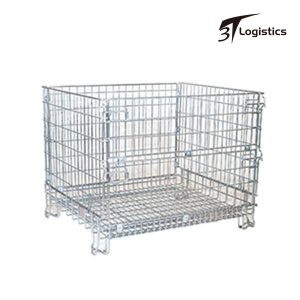
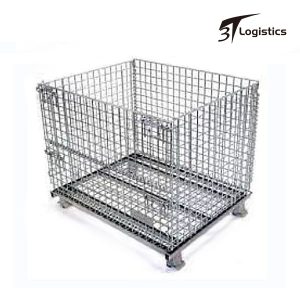
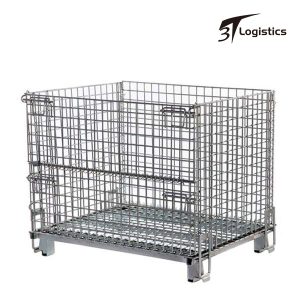
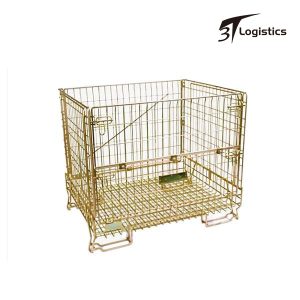
For logistics engineers and purchasing managers, the decision about returnable packaging comes down to one question: will this equipment protect the part, fit the transport route, and handle the expected number of trips without failing? For many automotive applications, the equipment that meets these requirements is a purpose-built steel stillage.
Why Standard Packaging Often Fails for Automotive Parts
When you ship automotive parts on wooden pallets with cardboard or plastic wrapping, you typically run into the same operational issues.
Shape and Size Mismatches
Automotive parts are not rectangular. A bumper assembly can exceed two meters with a curved profile that prevents it from sitting flat. An engine cylinder head has protruding features, machined surfaces, and mounting holes that make stacking impossible without custom fixtures. Place these parts on a standard pallet, and you get overhang, instability, or significant unused space.
This forces logistics teams to use oversized pallets, build custom crates, or add extensive dunnage—each of which increases material costs and freight charges.
Protection Limitations
Cardboard and foam absorb impact up to a point, but they do not hold up over multiple handling cycles. A sharp casting flash on an engine bracket can puncture cardboard during transit. Foam inserts compress after a few uses, allowing parts to shift and contact each other.
For components with Class A surfaces—exterior body panels, painted bumpers, visible interior trim—any contact during transport typically means rework or scrap. That is not just a quality issue; it is a delivery issue. If damaged parts arrive at the assembly line, the line stops or parts are sorted out, and the supplier carries the cost.
Inefficient Space Utilization
Wooden pallets and cardboard boxes have fixed rectangular footprints. Automotive parts do not fill those footprints evenly. The gap between the part and the box is air that the freight carrier still charges for. When you ship thousands of parts weekly, that wasted space adds up to more trucks and higher logistics costs.
Handling Difficulties
Boxes stacked on pallets can collapse under the weight of stacked loads, especially if dunnage settles or boxes soften in humid conditions. Collapsed stacks mean manual restacking at the warehouse or dock—labor that could be avoided with a rigid load support system.
What Makes Stillages Suitable for Automotive Parts Logistics?
Metal stillages have been used in automotive logistics for years because the basic concept works: build a steel frame that matches the part, and use it repeatedly across thousands of transport cycles.
Structure That Matches the Part
A stillage is designed around the part’s dimensions and support points, not around a standard pallet footprint. A stillage for rear bumpers can include vertical supports shaped to cradle the bumper at its mounting brackets, with clearance beneath curved sections. A stillage for engine blocks can use locating pins that align with bolt holes, holding each part securely without relying on foam or strapping.
Steel Construction for Repeated Use
Steel stillages are fabricated from structural-grade tube and sheet. They handle dynamic loads during truck transport and static loads in warehouse stacking. Unlike wood, steel does not absorb moisture, rot, or lose strength over time. Unlike plastic, it does not crack or creep under sustained heavy loads.
Automotive suppliers running just-in-time programs expect their packaging to last for hundreds of trips. With proper welding and corrosion protection, a stillage can meet that expectation with minimal maintenance.
Stackability That Saves Floor Space
Most stillages are designed with stacking frames or corner posts that transfer load directly through the steel structure—not through the parts inside. This allows loaded stillages to be stacked two or three high in the warehouse and during transport. When empty, many designs nest inside each other, reducing space for return shipping.
Forklift Compatibility
Stillages include fork pockets sized for standard forklifts and pallet jacks. The pockets are positioned so the load is balanced even when partially loaded, reducing tipping risk. The steel structure also means incidental contact with forklift forks or racking does not damage the equipment.
Reusable Transport Cycles
A steel stillage is an asset that travels back and forth between the parts supplier and the assembly plant. Once parts are unloaded, the empty stillage returns for the next shipment. In a well-managed returnable packaging system, a stillage can remain in service for years. The per-trip cost declines with each use.
Why Bumper Parts and Engine Components Often Require Custom Stillages
Not all components can be handled with the same stillage design. Geometry, weight, and surface requirements vary too widely.
Bumpers
Bumpers are large, relatively lightweight, and often painted with a finish that cannot be repaired. They also have a shape that makes horizontal stacking difficult.
A stillage for bumpers typically includes angled or vertical supports that hold the bumper at its structural mounting points, padded contact surfaces only at those points, and dividers to prevent parts from contacting each other.
Engine Components
Engine blocks, cylinder heads, and transmission housings are heavy and dense. They have machined surfaces that must be protected, and the weight means the stillage itself must be structurally robust.
For these parts, a stillage might include locating pins or fixtures that index into existing holes, steel support rails that distribute weight evenly, and stacking capacity that accounts for high weight per layer.
Sheet Metal Parts
Door panels, fenders, and roof stampings are thin, wide, and dent easily. They cannot be stacked directly on top of each other. Stillages for sheet metal often use slotted supports that allow vertical storage, protective padding on all contact surfaces, and adjustable supports for minor part variations.
How Stillages Improve Warehouse and Supply Chain Efficiency
The benefits of stillages go beyond part protection. They change how the warehouse and shipping department operate.
Better Storage Utilization
Because stillages are stackable, a given floor area holds more parts. This is particularly important for suppliers with limited warehouse space or high inventory turnover. It also reduces the need for off-site storage and additional handling.
Easier Inventory Management
Each stillage can be labeled or tagged to identify contents. With parts fixed in specific positions, cycle counting becomes faster. Warehouse staff can confirm counts without opening packaging or handling individual parts.
Faster Loading and Unloading
Parts already secured in the stillage can be loaded or unloaded without additional packaging. The stillage moves directly from storage to truck and from truck to receiving area, reducing dock turnaround times.
Less Packaging Waste
Cardboard, plastic wrap, and foam generate waste that must be collected and hauled away. Steel stillages generate no packaging waste during their service life. When they do reach end of life, the steel is recyclable.
What Should Automotive Companies Consider When Choosing a Stillage Supplier?
Not all fabricators build stillages to the same standard. Here are the factors to evaluate.
01
Load Requirements
What does each part weigh? How many parts per stillage? What is the total weight when fully loaded? These numbers determine steel section size, weld specifications, and fork pocket placement.
02
Part Dimensions and Clearance
Are there protrusions that could contact the frame? The stillage should support the part at appropriate points without any steel contact that could cause damage.
03
Stacking Conditions
How high will stillages be stacked? Stacking posts should transfer load through the corners, not through the parts. The bottom layer must support the full stack weight.
04
Surface Protection
What type of surface finish do the parts have? Painted parts require padded contact surfaces. Some parts are shipped bare and require no padding but need moisture protection.
05
Weld Quality and Fabrication Standards
Weld quality determines structural life. Poor weld penetration can lead to joint failure after repeated dynamic loading. Buyers should ask about the manufacturer’s welding procedures and standards.
06
Customization Capability
Many automotive components require modifications to the frame, supports, or protective features. A supplier that offers design and fabrication support is more valuable than one offering only stock items.
Conclusion
Stillages have become standard in automotive logistics for practical reasons. They handle irregular shapes more effectively than pallets or cardboard. They protect parts across multiple transport cycles. They use floor space efficiently. And they reduce waste and labor associated with disposable packaging. For automotive suppliers evaluating returnable packaging options, stillages are a proven choice—tested in real supply chain conditions over many years.
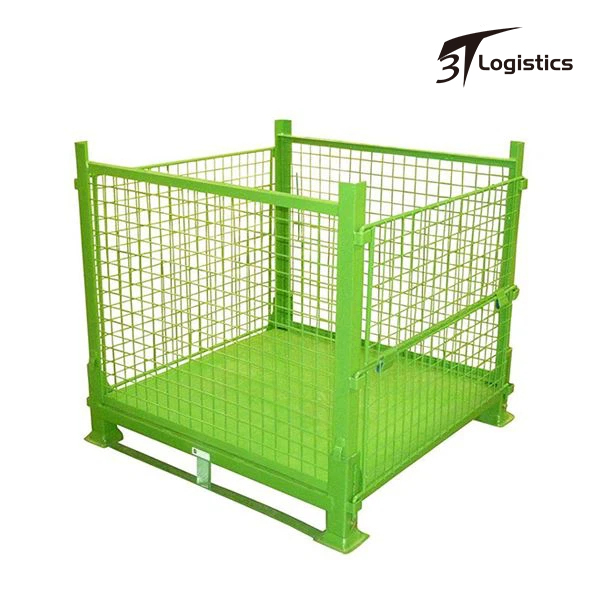
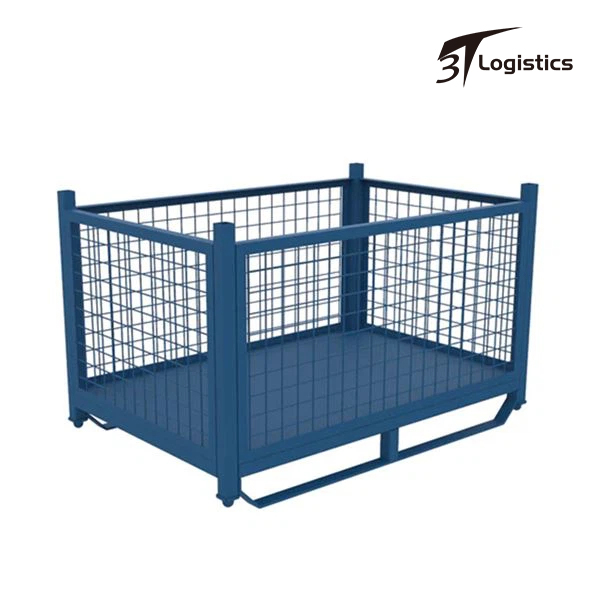
At 3T Logistics, we design and fabricate metal logistics equipment for automotive parts manufacturers, Tier 1 and Tier 2 suppliers, and logistics providers. We work with customers to determine the right dimensions, supports, stacking requirements, and protective features for their specific parts.
If your current packaging is causing damage, taking up too much space, or creating handling delays, we can discuss a custom metal logistics solution based on your actual requirements. Contact us to talk about your parts and handling conditions.